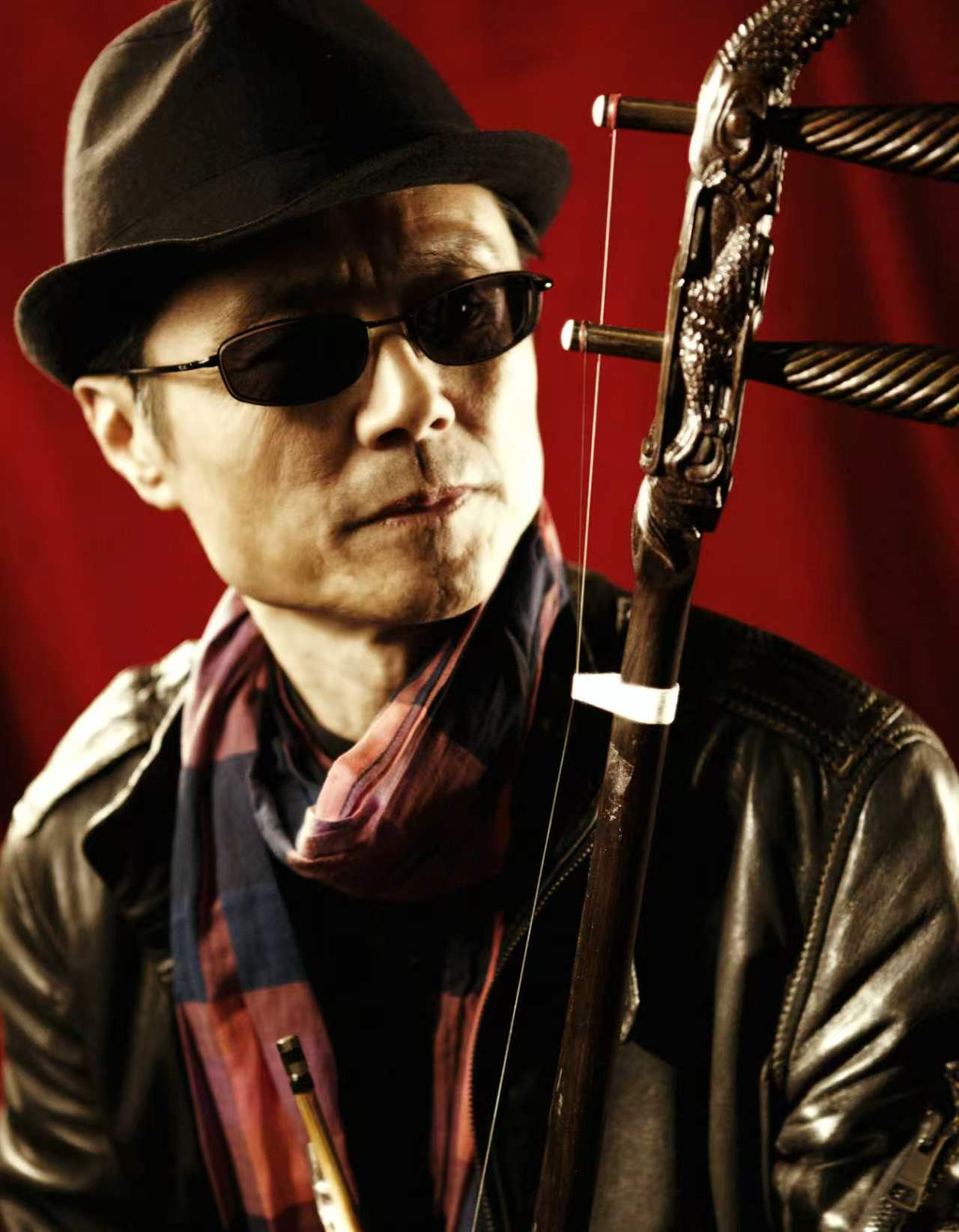
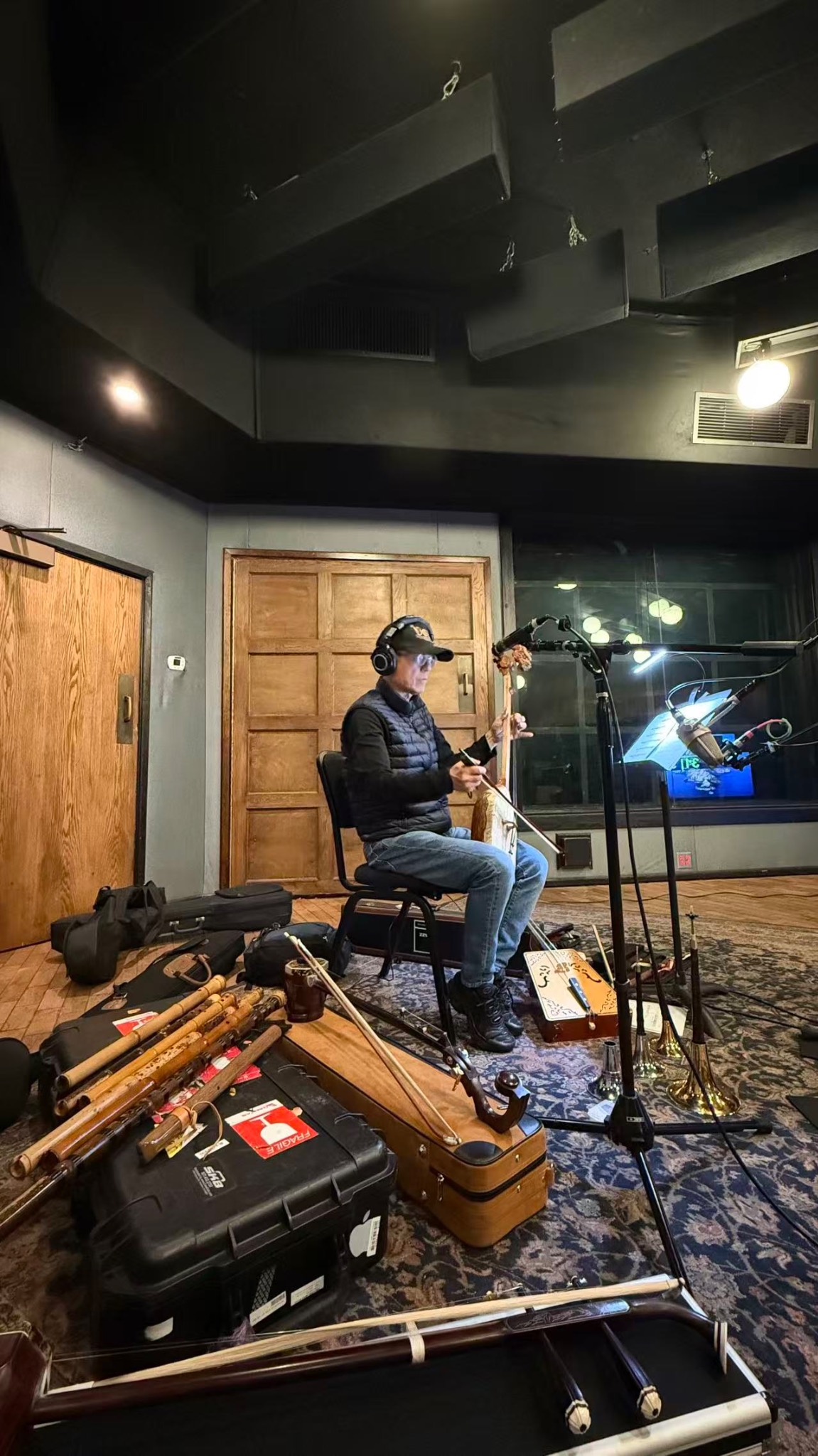
Photos courtesy of Hong Wang.
English Version
Introduction
When the global spread of artistic activity slows or stalls, artists have more time to reflect on the paths they have taken. The practical overseas experience accumulated by Chinese musicians living abroad offers important lessons for the future communication of traditional Chinese art. In this dialogue, Hong Wang and Kui Dong share reflections on agents, grants, commissions, cultural systems, and the question of how Chinese traditions can genuinely enter the field of attention of another culture.
The Well-Grounded Overseas Experience: A Dialogue on the Intercultural Communication of Traditional Chinese Music
Zang Na: Professor Dong and Mr. Wang are both Chinese musicians living overseas. I recently spoke with Professor Dong about online concerts and online art. Mr. Wang has devoted himself to sharing Chinese folk and traditional music abroad. Today let us talk about your experiences in this area.
Kui Dong: I have known Hong Wang for a long time, since my student days in the United States. At that time, he was already performing and teaching traditional Chinese music here and had founded an ensemble. His ensemble was one of the few Chinese music groups in the United States creating new works through dialogue between East and West. Cross-genre experimentation became more common in China only in the past decade or so, but Chinese musicians overseas began this work much earlier. So I would like Mr. Wang to speak mainly, and I will add comments.
Hong Wang: I taught in China and later worked at the Jiangsu Provincial Research Institute of Culture and Arts, where I researched folk music. In the early 1990s, after coming to the United States, I began organizing a Chinese music ensemble with immigrant musicians. At first, I brought programs and promotional materials to the Western Arts Alliance showcase, hoping to sell concerts. I went for four consecutive years and did not sell a single concert. Later I discovered that the system operated through agents and presenters. Many agents met informally, often in bars, and arranged touring schedules according to their calendars. Without entering that system, it was very difficult to tour.
Zang Na: So even traditional Chinese music needs its own agents in a commercial society like the United States?
Hong Wang: Yes. This was a major shock to my thinking. It gave me a new understanding of how to develop Chinese music in the West. To enter the view of mainstream Western society, we must first connect with its rules. It is not enough to perform traditional works only for ourselves. We need composers to create new works that combine Chinese and Western instruments, presenting ourselves through sounds that are partly familiar to them but used in different ways. I also learned how to apply for arts funding. With foundation support, we could commission composers and organize performances.
At first, I collaborated with composer Situ Gang on funding applications. His experience taught me a great deal. I listened to many review panels for arts projects and learned that reviewers came from many sectors of society. If they had a connection to a group, they would recuse themselves. I also learned that a proposal is not judged only by beautiful writing; reviewers first look at whether the budget is realistic. If you do not know how to use money, they will question the feasibility of the project. Since then, I have paid close attention to budgets.
Zang Na: This is how the arts operate in a commercial society.
Hong Wang: These experiences taught me several things. First, when promoting Chinese culture overseas, one must follow local systems to solve funding problems. Second, performance content cannot simply promote one’s own culture; media exposure and public relations are also important. In other words, focusing only on the work itself makes it very difficult to enter the mainstream.
Kui Dong: Especially if one performs only traditional works.
Hong Wang: Over time, our ensemble gained recognition and supporters. We received annual arts grants from the City of San Francisco and the State of California, which provided important support. After receiving a National Arts Fund grant, I commissioned Professor Dong to write new music for us and invited the Del Sol String Quartet to collaborate. I also worked with groups such as Citywinds and Earplay, looking for opportunities to present Chinese traditional and new music in different communities. We wanted people to see that our ensemble was not only doing its own ethnic tradition, but was actively seeking collaboration with mainstream and multicultural communities.
Zang Na: It seems intercultural communication must pay attention to the needs and characteristics of the receiving audience.
Hong Wang: To enter an unfamiliar cultural environment, one cannot rely on imagination or remain only within a familiar cultural circle. One must learn, respect, accept, and integrate into the other culture. Only then can there be exchange and cultural output. For national-level cultural exchange, China already has many years of experience, but from the perspective of artists who have lived overseas, the key question is how to introduce familiar works to unfamiliar audiences. Planners and producers need to think from the perspective of broad culture and human resonance.
Many cultural exchange activities have relied on free or symbolic-fee performances abroad. Governments invest a great deal, but we must ask whether this allows our traditions to be truly seen and accepted by mainstream society. Many audiences say “very interesting,” but that phrase can be subtle. It does not always mean they will come again. The key is to show artistic quality and shared human values. We need to move toward commercial performance, cooperate with local agencies, and enter regular seasons.
Kui Dong: Sometimes “very interesting” may mean they did not actually enjoy it that much, but were too polite to say so.
Hong Wang: Intercultural communication cannot be wishful thinking. You cannot simply show up a few times and expect others to accept your culture. Good works can speak for themselves, but we also need artistic, commercial, and strategic planning. I worked with the Asian American Orchestra, whose musicians have multicultural backgrounds and understand what American culture responds to. Their music often incorporates Chinese elements while also being accepted by the Western mainstream.
Zang Na: You have also made many attempts yourself.
Hong Wang: Yes. One example is my work on the Hollywood animated series Kung Fu Panda. In 2007, an American film and television composer contacted me through social media asking whether I played erhu. Months later, he invited me to Los Angeles for a demo recording. After the trial, they decided to work with me. I later learned the project was an eighty-episode Kung Fu Panda animated series produced by DreamWorks and Nickelodeon.
At first, they used only erhu. I felt that did not fully express the visual atmosphere, so I suggested using other Chinese instruments. The composer did not know musicians for those instruments, so I showed him what I had. I brought out one instrument after another. Over several years, the score used thirty-two Chinese traditional and percussion instruments, including erhu, zhonghu, dizi, gaohu, sanxian, ruan, hulusi, bawu, and guqin.
Because the collaboration went well, Nickelodeon invited me to work on The Legend of Korra. That project drew on Asian cultural backgrounds, including Chinese, Korean, and Japanese elements. The composer wanted a different approach, using morin khuur, zhonghu, erhu, suona, and percussion. I did not necessarily play traditional melodies; often I played long tones or simple motifs. But Chinese elements had entered the mainstream Western film and television industry.
Over time, I introduced Chinese instruments to Hollywood composers. At first, many did not even know what erhu sounded like or what its range was. I explained which styles worked, how to write for the instruments, and where the instruments came from. Composer Jeremy Zuckerman once said in an interview that Hong Wang was not just a musician, but a music encyclopedia, and that working with me changed his thinking. Later, through these collaborators, I entered circles that included composers such as Bear McCreary, Christopher Young, Kevin Kiner, and Geoff Zanelli.
PANGEA is another example. It is a cross-cultural ensemble formed by three musicians from different backgrounds: Albert Chang, a Chinese American composer and film producer; Robert Chilingirian, an Armenian American guitarist; and me, bringing in Chinese traditional music. Our style grew from our different cultural backgrounds and world music elements. Chinese tradition may appear as an accent or as a main character, depending on the work. Once the mainstream recognizes you, your cultural elements can enter more naturally.
Kui Dong: So the overseas communication of Chinese traditional music first requires a change in mindset. Compared with piano or symphonic music, Chinese traditional music does not have the same cultural soil in the West. It must continually seek dialogue and opportunities for presentation.
Hong Wang: From the 1990s to 2008, I organized many concerts in San Francisco and gave more than a hundred school lecture-demonstrations. The goal was to place our music within their regular seasons. Wu Man is a very successful example; she entered a top agency and became a regular presence in mainstream American concert seasons.
Kui Dong: Wu Man once told me that many ideas still came from herself; the agency served as a bridge. We should recognize that in Western society, the commercial value of Chinese traditional music cannot easily compare with mainstream Western music.
Hong Wang: If you push too hard, it can backfire. Culture is like interpersonal communication. If you overemphasize yourself, you squeeze others. If you want recognition, first learn to integrate. I once asked Christopher Young how much erhu should be used in his music. He said one sound is enough, because that sound already represents your culture. The instrument itself speaks. We do not always need to announce “this is Chinese music.” Sometimes a single sound carries the culture.
Zang Na: Today’s conversation touches both method and posture in cultural communication. We must consider whether traditional music appears as an unchanged transplant, or as something adapted and integrated. And the posture matters: subtle influence can be the strongest.
Hong Wang: Stay low-key. Do your work well. That is how you truly influence others.
Originally published in Art Panorama, No. 5, 2021, pp. 84–89.
中文原文
编者按
在2020年代这个特殊时期,当艺术活动的全球化传播趋于停滞,艺术家们有了更多的时间检视过往,省思曾经。那些置身海外的华裔音乐家,他们经年累月在中国音乐文化海外传播方面所积累的“接地气”的实践经验,是今后中国传统艺术提升跨文化传播效力的方剂,是中华文化海外传播再出发的推动力。在这次对谈中,汪洪、董夔两位海外华裔音乐家分享了他们在艺术经纪人制度、艺术创作基金申请等方面的经验和感受,以及如何使中国的文化传统真正受到异域主流文化的关注。相信站在这个重要的历史节点,悉心沉淀、省思过往,必将为中国传统音乐以及文化传统的海外传播注入更加充沛的力量。
“接地气”的海外经验:中国传统音乐跨文化传播对谈
臧娜:董老师和汪老师都是海外华裔音乐家,前段时间我跟董老师做了一次关于在线音乐会和在线艺术形式的交流,发表在《艺术广角》杂志。汪老师更是致力于中国民族民间音乐的海外传播,两位在中国音乐文化海外传播方面的经验和故事想必很多,这次我们聊一聊这方面的话题吧。
董夔:我跟汪洪认识很久了,我在美国读书的时候就认识他。他当时在美国做中国传统音乐的演出和教学工作,还组建了一个乐团。他们的乐团是那时在美国为数不多的从东西方对话的角度来创作新作品的中国民乐团。中国国内近十几年才开始做中西方音乐的跨界混搭,以年轻一代音乐人为主,但是海外的华人很早就开始了这种尝试。所以这次主要请汪老师介绍一下这方面的经验,我来补充。
汪洪:我以前在国内中专和大学做过老师,后来调到江苏文化艺术研究所做民族音乐研究。上个世纪90年代初,我到美国之后就开始与一些移民美国的音乐家组建民乐团。起初我带着民乐团的节目和宣传资料去参加一年一度的美国西部艺术家联合会(Western Arts Alliance)的展演,在那里可以做节目的展示和销售。但是我一连去了四年,一场音乐会都没卖出去。后来我发现,他们实行的是经纪人制度,很多艺术经纪人聚集在酒吧里,他们在聊天的过程中就会根据自己的档期把不同演出团体的演出场次安排好,节目只有通过这样的渠道才能实现所谓的巡演。
臧娜:在美国这样的商业社会,民乐传播也要靠自己的经纪人对吗?
汪洪:是的,这是我在观念上受到的最大的冲击,让我对在西方如何发展中国民族音乐有了新的认识。中国民乐要想进入西方主流社会的视野,首先要在规则上跟他们衔接;还有不能自娱自乐式地一味搬演传统民乐作品,要请作曲家用新音乐作品的方式把中西方乐器结合起来,用他们熟悉的声音但却是不同的方法去展现自己。同时,我进一步了解了美国艺术创作基金的申请方式,有了基金会的资助才有足够的经费去邀请作曲家为乐团创作作品,也就是委托创作(commission),才能有经费来安排演出。
起初我跟旅美作曲家司徒刚合作申请创作基金,他在这方面的经验带给我很多启发。我亲自聆听了很多次艺术项目的评审会,发现政府邀请的评审员来自社会各个部门,如果评审员与某一团体相熟,他们会自觉地退出与这个团体有关的评审工作,以示公平。我还发现,评审项目的关键不在于申请书写得多么漂亮,而是先看申请者会不会合理安排预算。如果你不会用钱,评委们会质疑项目的可行性,所以后来我非常注重做好每次演出项目的预算。
臧娜:这就是商业社会的艺术运作法则。
汪洪:这些经历带给我几个方面的启示,在海外做中国文化传播,首先要顺应对方的规则来解决经费问题;其次演出内容只宣扬文化自身是不够的;公关公司的媒体曝光度也很重要。也就是说,在海外传播中国民族音乐,只专注于作品本身是很难打入主流的。
董夔:尤其是只讲传统作品是不行的。
汪洪:后来我们的乐团逐步做出了自己的名气,而且有了自己的粉丝。我们从旧金山市政府、加州州政府都拿到了年度艺术基金资助,这为乐团的发展提供了很大的经济支撑。在第一次拿到美国国家艺术基金后,我就委约董夔老师为我们创作新音乐作品,并且邀请旧金山的弦乐四重奏乐团(Del Sol String Quartet),举办了董老师新音乐作品专场音乐会。我还跟Citywind,Earplayer等等很多不同音乐团体合作,寻找在不同族裔背景的社区展示中国传统音乐和新音乐的机会,让他们知道我们的民乐团不仅仅做本民族的东西,还在积极寻求与主流文化和其他多元文化合作,寻求文化上的相互尊重和了解,实现文化上的接地气。
臧娜:看来跨文化交流要更多地关注接受者的诉求和特点,这样看来,从创作和交流层面实现多元文化融合的传播策略是有效的。
汪洪:对我个人来说,要融入一个陌生的文化环境,不能用想象的方式去发展,也不能仅靠自己所熟悉的文化圈用一种自娱自乐的心态做文化。首先要学会学习、尊重、接受和融入对方的文化,这样才会有交流和文化输出的机会,当然这会是一个比较漫长的过程。对于国家层面的文化交流,国内已经有很多年的外宣经验,只是从生活在海外多年的艺术家的角度看,如何我们很熟悉的艺术作品推广给陌生环境下的观众,我想我们的策划人、项目制作人,需要从普众文化的角度来思考,如何从人性的高度引起对方的共鸣。
董夔:用“very interesting”(很有趣),也许是他们觉得没那么好玩儿,但是不好意思说。
汪洪:所以跨文化传播不是一厢情愿的事儿,不是走马观花式地展示几次,对方就会接受你的文化。作为华人艺术家,可以因地制宜地给出好的建言和策划建议。总之,大家需要从艺术、商业和策划多方面去思考,但是作品也非常重要,好的作品自己会说话。
比如我参加过美国唯一的一个亚洲爵士大乐队(Asian American Orchestra),乐队拿过一次格莱美爵士大乐队提名和2013年最佳爵士CD奖。这个乐队的乐手基本上都是混血亚裔美国人。乐队的创办人安东尼·布朗(Anthony Brown),他的爸爸是黑人,妈妈是日本人。还有我认识的一位第三代华裔美国音乐人Francis Wong,是一位优秀的萨克斯演奏家。他们身上都流淌着多元文化血液,比我们更知道美国文化要什么,所以他们的作品非常接地气,很多作品既融合了中国民族音乐的元素,又能够被西方主流文化接受。
臧娜:说到“接地气”,据我所知您本人也做过很多这方面的尝试吧?
汪洪:我确实做了很多尝试,也抓住了很多机会。比如为好莱坞动画片《功夫熊猫》配乐。2007年,一个美国影视作曲家在社交媒体上找到我,问我会不会拉二胡,他想找一位二胡演奏家,但是简单交流之后就没有音讯了。过了半年时间他突然又联系到我,约我去洛杉矶试录音,花了四个多小时的车程我才赶到好莱坞录音棚,试录之后他们立即决定跟我合作。后来我才知道这是为美国梦工厂(Dreamworks)和尼克(Nickelodeon)公司合作制作的80集动画片《功夫熊猫》制作音乐,它跟电影版《功夫熊猫》属于同一个作品的不同版本。
刚开始我发现他们在音乐中只用了二胡,我觉得这不能很好地体现视频画面要表达的意境,我学过作曲,就开始建议作曲家尝试使用不同的中国传统乐器,他说他不认识演奏其他乐器的音乐家,我就毛遂自荐了。我箱子里有很多中国传统乐器,就这么一件一件搬出来给作曲家演奏,几年时间下来,这个80集动画片的配乐一共用了32种中国传统乐器及打击乐器,包括常用的二胡、中胡、笛子,还用了高胡、三弦、阮、葫芦丝、巴乌和古琴等等。我会的乐器差不多全用上了!
臧娜:所有这些中国乐器都是您来演奏的么?
汪洪:里面所有中国乐器都是我来演奏的。因为合作比较愉快,尼克(Nickelodeon)公司又请我为他们制作的另外一部60集系列动画片《科拉传奇》(The Legend of Korra)录制中国乐器的部分。这是一个亚洲文化背景的虚拟故事,涉及到中国、韩国、日本等等不同国家的文化,这个作曲家跟我商量音乐配器以马头琴为主,配合中胡、二胡、唢呐和一些打击乐。虽然在这个动画片的配乐中我不演奏传统的旋律,很多地方可能只拉一些长音或很简单的旋律,但是我已经把中国元素带进了西方主流影视行业。第一季的《科拉传奇》音乐获得了2013年艾美奖,2015年《功夫熊猫》也获得了同样的奖项。
臧娜:这应该就是您所说的“接地气”式跨文化传播的一个成功案例吧!
汪洪:有时“接地气”的文化融合不一定是某一个具体音乐作品的完整呈现,它是一个可期待并且能够实现的努力方向。跟这个音乐制作团队合作的那五年,我也趁机把这些中国传统乐器推荐给了好莱坞的作曲家们,这是推动中国传统音乐打入好莱坞的一个过程,这个过程很漫长。后来经过这些合作伙伴的介绍,我逐渐进入到不同族裔作曲家的圈子,比如电视剧《行尸走肉》的作曲家Bear McCreary,还有好莱坞著名惊悚片作曲家Christopher Young,《星际大战叛军》作曲家Kevin Kiner,电影《加勒比海盗》的作曲家Geoff Zanelli等,我跟他们都有合作。
汪洪:好莱坞的文化圈很复杂,犹太圈、白人圈、拉丁圈、亚裔圈,我之所以能在这里做十多年,主要因为我是一个多乐器演奏家,并且善于交友。他们请我一个人就能解决所有配器问题。所以要想做到“接地气”,自己也要下功夫去琢磨,要在录音和编曲技术等等很多方面不断学习,要做观念上的改变。
PANGEA是一个多元风格融合的跨界乐团,它首先是基于多样化的西方文化背景,张青峯(Albert Chang)是在美国长大的华裔音乐家,好莱坞电影制作人、作曲家、钢琴家;另一位吉他大师罗伯特是美籍亚美尼亚裔,他的文化背景也非常多元。而我把中国传统音乐的东西带了进来。所以PANGEA的风格是基于我们三个人不同的文化背景而形成的,融合了世界多元文化元素。
董夔:所以中国传统音乐的海外传播首先要实现观念上的改变,也要适应当地的文化做很多的自我经营。跟钢琴音乐、交响乐这样的西方音乐类型比,中国传统音乐在这里先天缺乏优良的文化土壤,就更需要不断地去寻找对话和展示自己的机会。从这个角度讲,我非常尊敬汪老师,他在这方面确实做了很多的努力。
汪洪:董老师讲得非常到位,中国音乐在海外需要学习怎样去经营自己。从上世纪90年代到2008年,我在旧金山基本上每年都做大大小小不同的音乐会,包括跟旧金山交响乐团合作的中国新年音乐会,还有上百场次的进校园音乐讲演活动。我的目的就是希望让我们的音乐在他们的音乐季(season)里得到更多的展示,其实在这方面比较成功的是旅美琵琶演奏家吴蛮。在国外的中国传统乐器音乐家里面,她是唯一一个进入到一流经纪公司的演奏家,也已经做到了他们的音乐季当中,是美国主流演出季的常客。
董夔:吴蛮曾经跟我谈起这个过程,虽然她进入到了全美一流经纪公司,是海外中国民族音乐圈里比较成功的音乐家,但是很多主意、好的点子都是她自己想出来的,经纪公司只是充当一个沟通的角色。这是一个海外民族音乐家的成功案例,但我们也应该清楚地认识到,在西方社会,中国传统音乐的商业价值是难以跟处于主体地位的西方音乐相比的。
臧娜:看来跨文化传播确实不容易,一种外来文化要真正实现与主流文化的融合,不是斥巨资或者大包大揽式地对外输出就能达成效果,需要专业公司的经营,更要立足多元文化语境做深耕。
汪洪:大包大揽式的高调输出往往还会带来适得其反的效果。文化与文化之间的交往跟人与人之间的交往相似,如果你总是过度强调自己,就是挤压了别人,别人可以向你招手表示欢迎,也可以反手把你推出去。如果你希望得到别人的认可和关注,先要努力融入他们。
我曾经专门采访过跟我合作过的好莱坞著名作曲家Christopher Young,他曾经为电影《孙悟空三打白骨精》作曲。我问他“你觉得二胡在你的作品中用多少比较合适?”他回答说,“你用二胡拉一个声音,就足够了。”我说,“为什么?”他说,“这个声音就代表了你们的文化,二胡只有中国有。”所以,我们不需要刻意地把中国音乐带进去,你的乐器就代表了你的文化。我现在做的首先是把中国乐器作为一个乐器来用,而不是首先去强调自己的文化。
臧娜:我觉得今天的谈话涉及到跨文化传播的打开方式和传播姿态。打开方式是传统音乐以什么样的面目出现,是传统作品的地理平移,还是在创作上做“接地气”的融合;是以陌生的闯入者的身份示人,还是遵循对方的游戏规则。传播姿态也很重要,不必刻意地强调自己,润物细无声才是真正的高调。
汪洪:低调做事,把自己做好,才能真正影响别人。
Originally published in Art Panorama, No. 5, 2021, pp. 84–89.
原载于《艺术广角》,2021年第5期,第84–89页。